Optimizing Backhaul in Logistics: A Comprehensive Guide to Efficiency and Sustainability
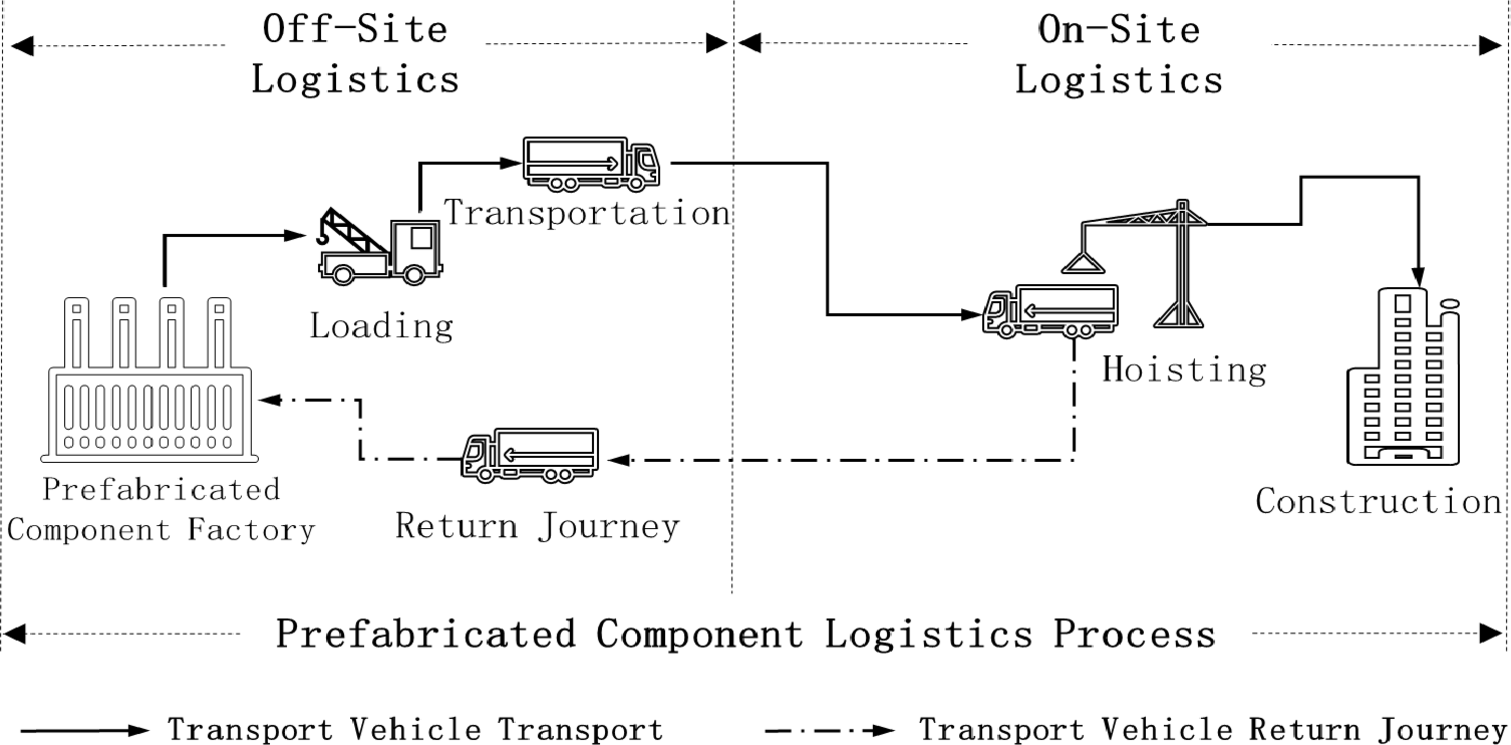
Discover the importance of backhauling in logistics to optimize efficiency, reduce costs, and enhance environmental sustainability through AI and TMS solutions.
Backhauling is a cornerstone of modern logistics efficiency, representing the return trip of a commercial truck or transport vehicle after it has delivered its initial load to a destination. In the traditional logistics model, a truck often returns to its point of origin empty, a scenario known as 'deadheading.' This empty return is a significant drain on resources, contributing to unnecessary fuel consumption, vehicle wear and tear, and wasted driver hours. By contrast, a well-executed backhaul strategy identifies and secures cargo for the return leg, effectively doubling the utility of the trip and transforming what would be a cost center into a profit-generating opportunity. This article delves into the intricacies of backhauling, exploring its economic, environmental, and technological dimensions. Section 1: Defining Backhaul and the Cost of Deadheading. To appreciate backhauling, one must first understand the financial burden of deadheading. Every mile driven empty is a mile where expenses are incurred without corresponding revenue. For freight companies, these non-revenue miles can account for a substantial percentage of total operational costs. Backhauling eliminates this inefficiency by ensuring that assets remain productive throughout the entire duty cycle. It is not merely about finding 'any' load, but about strategic matching—finding cargo that aligns with the truck's equipment type, location, and the driver's available hours of service. Section 2: Economic Drivers and Competitive Advantage. The primary motivator for backhauling is the bottom line. By securing a return load, carriers can lower their overall cost per mile. This efficiency allows them to offer more competitive rates to their primary customers while still maintaining healthy profit margins. For shippers with private fleets, backhauling raw materials or components from suppliers after delivering finished goods can significantly reduce procurement and transportation costs. Furthermore, in an era of driver shortages, backhauling increases driver utilization and can lead to better compensation structures, as drivers are paid for productive movement rather than just transit time. Section 3: Environmental Sustainability and Carbon Reduction. Sustainability has moved from a corporate social responsibility (CSR) buzzword to a core business imperative. Backhauling is one of the most effective ways for the logistics sector to reduce its carbon footprint. According to industry data, empty trucks account for nearly 20% to 30% of all heavy-duty vehicle traffic in some regions. By filling these empty slots, the industry can drastically reduce total fuel consumption and greenhouse gas emissions without reducing the volume of goods transported. This 'green logistics' approach helps companies meet stringent environmental regulations and appeal to eco-conscious consumers and investors. Section 4: Internal vs. External Backhauling Strategies. There are two main frameworks for backhauling: internal and external. Internal backhauling is common among large retailers and manufacturers who control their own fleets. For instance, a grocery chain might deliver products to its stores and then use the same trucks to pick up fresh produce from local farms on the way back to the distribution center. External backhauling, on the other hand, involves third-party logistics (3PL) providers and freight brokers. These intermediaries use load boards and digital marketplaces to find external shippers who need transport along the carrier's return route. Both strategies require seamless communication and real-time visibility into fleet operations. Section 5: The Technological Revolution in Load Matching. Technology has transformed backhauling from a manual, phone-based coordination task into a data-driven science. Transportation Management Systems (TMS) and digital freight matching (DFM) platforms use sophisticated algorithms to pair available capacity with pending shipments in real-time. Artificial Intelligence (AI) can analyze historical data to predict where demand will be highest, allowing carriers to position their trucks strategically. IoT devices and GPS tracking provide the precise location data necessary to coordinate pickups with minute-by-minute accuracy, minimizing the 'dwell time' between the first delivery and the backhaul pickup. Section 6: Overcoming Implementation Challenges. Despite the benefits, backhauling is not without its challenges. Logistics managers must contend with time constraints, as return loads must be picked up and delivered within specific windows to avoid disrupting the next day's schedule. There is also the issue of cargo compatibility; a truck that transported chemicals cannot immediately transport food products without specialized cleaning. To overcome these hurdles, companies must invest in collaborative planning, foster strong relationships with a diverse base of shippers, and maintain a flexible operational mindset. Successful backhauling requires a holistic view of the supply chain where every mile is viewed as an opportunity for value creation. In conclusion, backhauling is an essential strategy for any logistics operation aiming for high performance. It represents the perfect synergy of economic logic and environmental stewardship, proving that in the world of transport, the smartest route is the one that never travels empty.