Heavy Transport Trucking Apps: The Digital Revolution in Logistics and Fleet Management
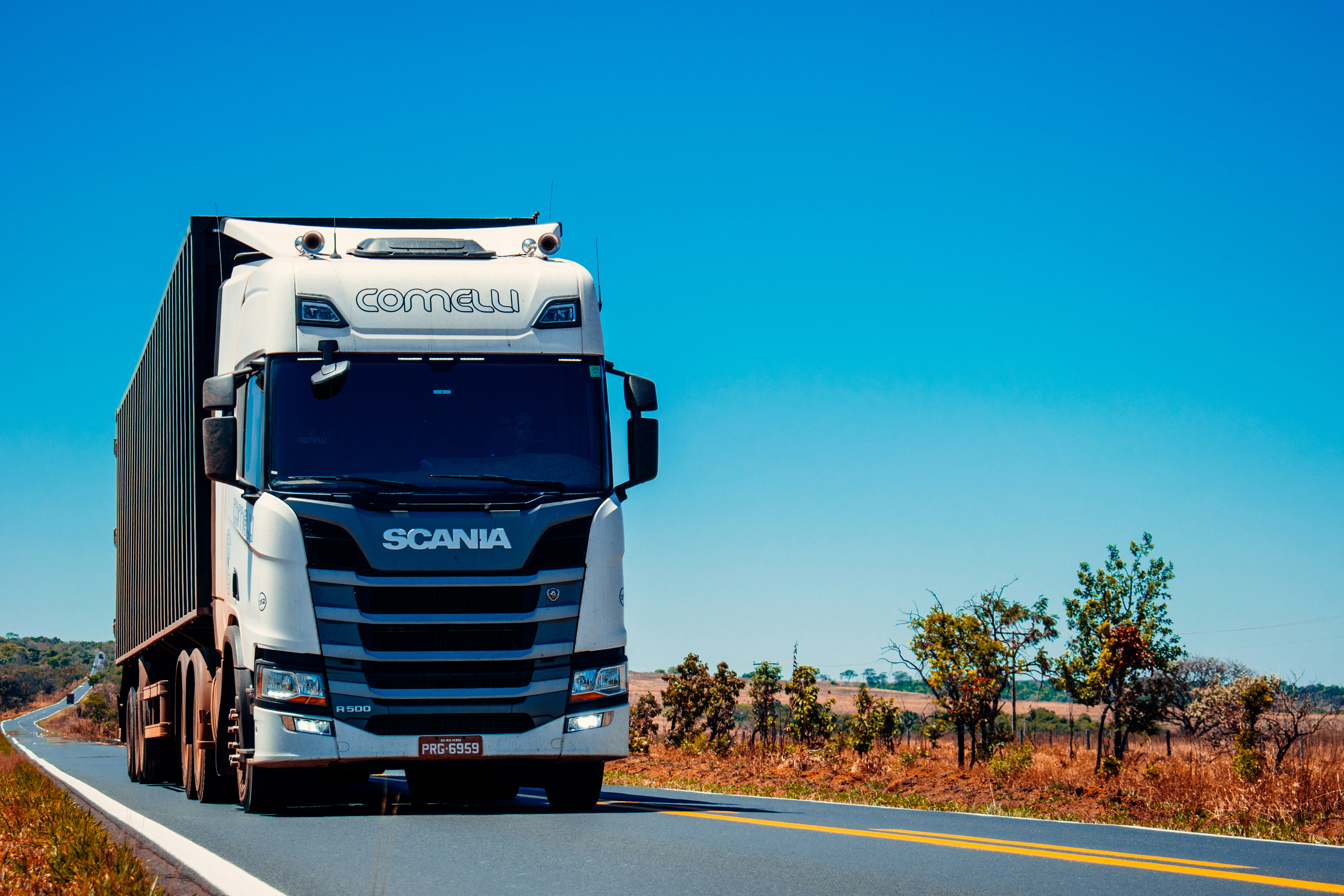
Discover the best heavy transport trucking apps in the Arab region and how they improve fleet efficiency, reduce costs, and enhance smart logistics using AI.
The heavy transport sector is the backbone of global trade, and with the advancement of technology, we have witnessed a radical transformation in how trucks are managed and coordinated through heavy transport trucking apps. These applications are not just communication tools; they are integrated platforms redefining the concept of logistical efficiency. Section 1: The Digital Shift in Land Transport. For decades, the heavy transport sector relied on paperwork and phone calls to organize trips, leading to wasted time and increased costs. Today, smart trucking apps allow truck owners to connect directly with manufacturers and wholesalers. This digital shift has contributed to reducing 'deadhead miles'—the distance a truck travels without a load—which means increased profitability and a reduced carbon footprint. In Saudi Arabia, driven by Vision 2030, adopting these technologies has become a top priority to transform the Kingdom into a global logistics hub. Section 2: Core Technical Features of Heavy Transport Apps. Modern freight applications are characterized by a range of technical features that make them indispensable. First, real-time tracking using GPS technologies allows customers to know the exact location of their shipment. Second, smart fleet management gives company owners the ability to monitor driver behavior and fuel consumption. Third, electronic invoicing and digital payment systems ensure secure and fast financial flows for all parties. Additionally, these apps rely on Artificial Intelligence (AI) algorithms to optimize routes and select the fastest and safest paths, reducing vehicle wear and protecting engines. Section 3: Leading Heavy Transport Apps in the Arab Region. Several leading platforms have emerged in the Middle East that have managed to change the rules of the game. Apps like Trella and Trukker are prominent examples that have successfully built vast networks connecting thousands of trucks and major corporations. These apps provide easy-to-use interfaces for drivers, where they can accept orders with a single click, and offer advanced dashboards for companies to manage thousands of shipments simultaneously. These platforms also offer insurance services and technical inspections for registered trucks, increasing reliability and security in the market. Section 4: Economic and Operational Benefits for Business Owners. For organizations owning truck fleets, integrating a heavy transport app into their operations means full control over operational costs. The Big Data collected by these applications allows for analyzing the performance of each truck individually and determining preventive maintenance schedules accurately, preventing sudden breakdowns that could disrupt supply chains. These apps also contribute to improving truck turnover rates, as waiting times at ports and warehouses are reduced through prior digital coordination. Section 5: Compliance with Modern Regulations and Legislation. As governments move to regulate the transport sector, applications have become a means of ensuring compliance. In Saudi Arabia, for instance, apps are committed to linking with the 'Bayan' platform of the General Transport Authority, ensuring the legality of every trip and the safety of loads. These tools also help monitor work and rest hours for drivers, reducing traffic accidents resulting from fatigue. Complying with these standards not only protects drivers but also enhances the company's reputation as a professional and reliable entity. Section 6: The Future of Heavy Transport and AI. We are on the cusp of a new era that includes autonomous trucks and electric trucks managed entirely through cloud applications. 5G networks will play a pivotal role in the responsiveness of these applications, allowing for real-time interaction with any roadside emergency. Investing in heavy transport applications today is not just an option but a strategic step to remain competitive in a lightning-fast global market. In conclusion, trucking applications are the actual engine of the modern economy, and by adopting them, companies can achieve a perfect balance between delivery speed, cost reduction, and environmental sustainability.