The Holy Sites of Hajj: A Spiritual Journey Through Mina, Arafat, and Muzdalifah
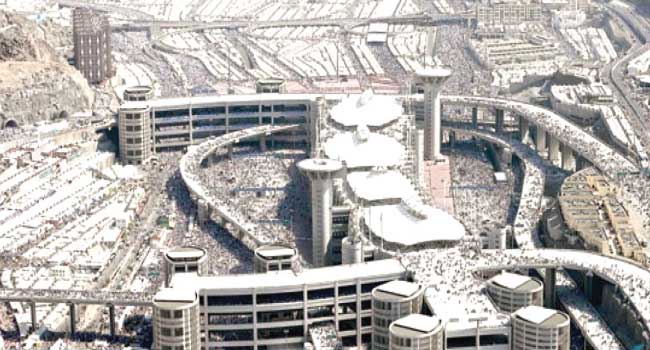
Discover the significance of the Holy Sites in Hajj: Mina's tent city, Mount Arafat, and Muzdalifah. Explore development projects and crowd management in this spiritual journey.
The Holy Sites (Al-Masha'er Al-Muqaddassah) represent the spiritual epicenter of the Islamic Hajj pilgrimage. These designated geographical areas—Mina, Arafat, and Muzdalifah—are situated near the city of Mecca and host specific rituals performed during the month of Dhu al-Hijjah. Understanding the significance, history, and logistical transformation of these sites provides a window into one of the world's most profound religious gatherings.
### Mina: The Historic Tent City and the Ritual of Stoning
Mina is a valley located approximately 7 kilometers east of the Grand Mosque in Mecca. It plays a pivotal role during the 'Days of Tashreeq' (the 11th, 12th, and 13th of Dhu al-Hijjah). Known as the world's largest tent city, Mina is home to over 100,000 permanent, fireproof tents designed to house millions of pilgrims in a safe and organized manner.
The primary ritual in Mina is the 'Ramy al-Jamarat' (the Stoning of the Devil). This symbolic act commemorates Prophet Abraham's rejection of temptation. In recent decades, the Saudi government constructed the multi-level Jamarat Bridge, an architectural marvel equipped with high-tech cooling systems and advanced crowd-monitoring sensors to ensure a smooth flow of millions of pilgrims passing through simultaneously.
### Mount Arafat: The Pinnacle of the Pilgrimage
Prophet Muhammad (PBUH) famously stated, 'Hajj is Arafah.' This emphasizes that the standing on Mount Arafat is the most crucial element of the entire pilgrimage. On the 9th day of Dhu al-Hijjah, pilgrims gather on the plain of Arafat, spending their time from noon until sunset in prayer, repentance, and deep spiritual reflection.
The site is marked by Mount Mercy (Jabal al-Rahmah), a small granite hill where the Prophet delivered his Farewell Sermon. The infrastructure here includes the massive Namira Mosque and extensive irrigation systems that maintain the 'Arafat Forest'—millions of trees planted to provide shade and reduce temperatures for the faithful.
### Muzdalifah: A Night of Spiritual Preparation
As the sun sets on the Day of Arafah, the 'Ifadah' (mass movement) begins towards Muzdalifah. Located between Arafat and Mina, Muzdalifah is where pilgrims spend the night under the open sky. This practice symbolizes absolute equality, as kings and commoners alike sleep on the same ground without the comfort of tents or luxury.
During their stay in Muzdalifah, pilgrims collect small pebbles (Jamarat) to be used for the stoning ritual in Mina the following day. The Mash'ar al-Haram mosque in Muzdalifah serves as a focal point for the dawn prayer before pilgrims return to Mina on the 10th of Dhu al-Hijjah (Eid al-Adha).
### Modern Infrastructure: The Mashaer Railway and Vision 2030
To facilitate the movement of over two million people across these sites, Saudi Arabia has invested billions in infrastructure. The Al Mashaaer Al Mugaddassah Metro Southern Line is a high-capacity electric railway that connects the three holy sites. During the peak days of Hajj, it operates at a frequency and capacity that rivals the world’s busiest transit systems, significantly reducing bus traffic and carbon emissions.
Under the Vision 2030 initiative, the Holy Sites have seen the introduction of the 'Smart Hajj' platform. This includes digital identity cards for pilgrims, high-speed 5G connectivity across the valleys, and AI-driven crowd management systems that predict congestion points before they occur, allowing authorities to redirect flows in real-time.
### Health, Safety, and Logistics Management
Managing the Holy Sites requires a monumental logistical effort involving hundreds of thousands of security personnel, medical staff, and volunteers. Every square meter is monitored by centralized command centers using high-definition cameras and thermal imaging. Health safety is a top priority; permanent and field hospitals are strategically placed throughout Mina, Arafat, and Muzdalifah to provide immediate care.
Water supply and waste management are also massive operations. Millions of liters of Zamzam water and desalinated water are pumped daily, while specialized teams work around the clock to maintain hygiene in the challenging environment of a temporary city with millions of inhabitants.
### The Global Significance of the Holy Sites
The experience of moving between these sites fosters a unique sense of global Muslim identity. People from every nation, speaking hundreds of languages, converge in these specific valleys to perform identical rituals. This unity is the core message of the Holy Sites: a rejection of racial, social, and economic barriers in favor of a shared spiritual purpose.
In conclusion, the Holy Sites of Mina, Arafat, and Muzdalifah are not just historical landmarks; they are a living testament to faith and the incredible capacity of modern engineering to serve ancient traditions. The ongoing development of these sites ensures that the Hajj remains a safe, accessible, and deeply transformative experience for generations to come.
### Mina: The Historic Tent City and the Ritual of Stoning
Mina is a valley located approximately 7 kilometers east of the Grand Mosque in Mecca. It plays a pivotal role during the 'Days of Tashreeq' (the 11th, 12th, and 13th of Dhu al-Hijjah). Known as the world's largest tent city, Mina is home to over 100,000 permanent, fireproof tents designed to house millions of pilgrims in a safe and organized manner.
The primary ritual in Mina is the 'Ramy al-Jamarat' (the Stoning of the Devil). This symbolic act commemorates Prophet Abraham's rejection of temptation. In recent decades, the Saudi government constructed the multi-level Jamarat Bridge, an architectural marvel equipped with high-tech cooling systems and advanced crowd-monitoring sensors to ensure a smooth flow of millions of pilgrims passing through simultaneously.
### Mount Arafat: The Pinnacle of the Pilgrimage
Prophet Muhammad (PBUH) famously stated, 'Hajj is Arafah.' This emphasizes that the standing on Mount Arafat is the most crucial element of the entire pilgrimage. On the 9th day of Dhu al-Hijjah, pilgrims gather on the plain of Arafat, spending their time from noon until sunset in prayer, repentance, and deep spiritual reflection.
The site is marked by Mount Mercy (Jabal al-Rahmah), a small granite hill where the Prophet delivered his Farewell Sermon. The infrastructure here includes the massive Namira Mosque and extensive irrigation systems that maintain the 'Arafat Forest'—millions of trees planted to provide shade and reduce temperatures for the faithful.
### Muzdalifah: A Night of Spiritual Preparation
As the sun sets on the Day of Arafah, the 'Ifadah' (mass movement) begins towards Muzdalifah. Located between Arafat and Mina, Muzdalifah is where pilgrims spend the night under the open sky. This practice symbolizes absolute equality, as kings and commoners alike sleep on the same ground without the comfort of tents or luxury.
During their stay in Muzdalifah, pilgrims collect small pebbles (Jamarat) to be used for the stoning ritual in Mina the following day. The Mash'ar al-Haram mosque in Muzdalifah serves as a focal point for the dawn prayer before pilgrims return to Mina on the 10th of Dhu al-Hijjah (Eid al-Adha).
### Modern Infrastructure: The Mashaer Railway and Vision 2030
To facilitate the movement of over two million people across these sites, Saudi Arabia has invested billions in infrastructure. The Al Mashaaer Al Mugaddassah Metro Southern Line is a high-capacity electric railway that connects the three holy sites. During the peak days of Hajj, it operates at a frequency and capacity that rivals the world’s busiest transit systems, significantly reducing bus traffic and carbon emissions.
Under the Vision 2030 initiative, the Holy Sites have seen the introduction of the 'Smart Hajj' platform. This includes digital identity cards for pilgrims, high-speed 5G connectivity across the valleys, and AI-driven crowd management systems that predict congestion points before they occur, allowing authorities to redirect flows in real-time.
### Health, Safety, and Logistics Management
Managing the Holy Sites requires a monumental logistical effort involving hundreds of thousands of security personnel, medical staff, and volunteers. Every square meter is monitored by centralized command centers using high-definition cameras and thermal imaging. Health safety is a top priority; permanent and field hospitals are strategically placed throughout Mina, Arafat, and Muzdalifah to provide immediate care.
Water supply and waste management are also massive operations. Millions of liters of Zamzam water and desalinated water are pumped daily, while specialized teams work around the clock to maintain hygiene in the challenging environment of a temporary city with millions of inhabitants.
### The Global Significance of the Holy Sites
The experience of moving between these sites fosters a unique sense of global Muslim identity. People from every nation, speaking hundreds of languages, converge in these specific valleys to perform identical rituals. This unity is the core message of the Holy Sites: a rejection of racial, social, and economic barriers in favor of a shared spiritual purpose.
In conclusion, the Holy Sites of Mina, Arafat, and Muzdalifah are not just historical landmarks; they are a living testament to faith and the incredible capacity of modern engineering to serve ancient traditions. The ongoing development of these sites ensures that the Hajj remains a safe, accessible, and deeply transformative experience for generations to come.