The Saudi Riyal: A History of Stability and a Future of Leadership under Vision 2030
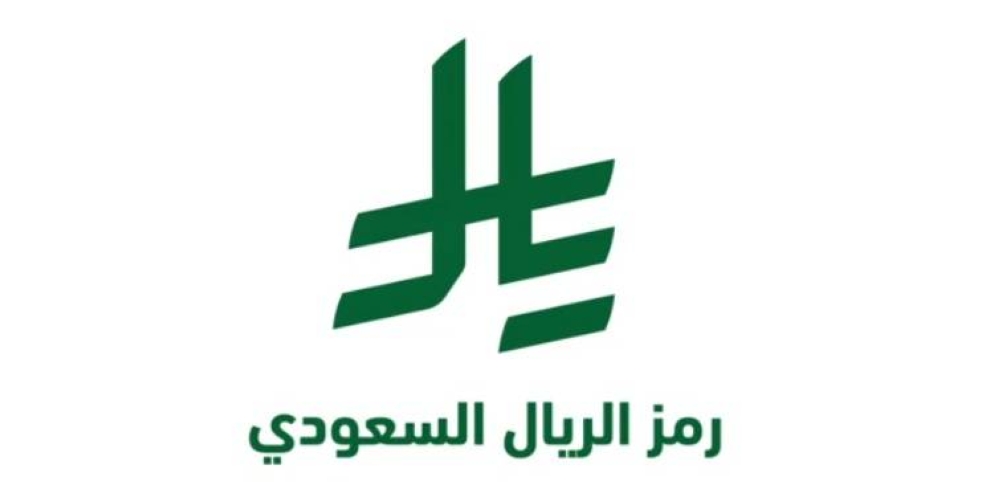
Explore the history and strength of the Saudi Riyal in 2026. Discover the 6th issue features, the USD peg policy, and the currency's role in Saudi Vision 2030.
The Saudi Riyal (SAR) is far more than just a national currency; it stands as a symbol of economic prowess and financial stability in the Middle East and globally. Since the foundation of the Kingdom of Saudi Arabia, the Riyal has undergone remarkable evolutionary stages reflecting the nation's rapid growth. Today, in April 2026, the Riyal continues its robust performance as one of the world's most stable currencies, bolstered by its long-standing peg to the US Dollar and the massive foreign reserves managed by the Saudi Central Bank (SAMA).
The story of the Saudi Riyal began in 1925 with the introduction of silver coins during the reign of King Abdulaziz Al Saud. As the economy expanded following the discovery of oil, the Kingdom transitioned into a modern paper currency system. A major turning point occurred in 1986 when the exchange rate was officially fixed at 3.75 SAR per 1 USD. This policy has proven instrumental in shielding the Saudi economy from global market volatility and fostering a secure investment environment.
Technically, the sixth issue of Saudi banknotes, themed 'Confidence and Security,' features the highest international security standards. The currency is available in denominations of 5, 10, 20, 50, 100, 200, and 500 Riyals, alongside coins of 1 and 2 Riyals and Halala fractions. Notably, the polymer 5 Riyal note represents a step toward sustainability and durability, offering a longer lifespan and superior counterfeit resistance.
In the context of Saudi Vision 2030, the Riyal plays a pivotal role in supporting digital transformation and financial inclusion. The Kingdom has launched numerous initiatives to promote digital payments, leading to a significant decrease in cash usage in favor of modern technologies like 'Mada' and 'Apple Pay.' Nevertheless, paper Riyals retain their symbolic and historical value, with banknotes featuring portraits of Saudi Kings and landmarks like the Holy Kaaba and Al-Masmak Palace.
For travelers and investors in 2026, expert advice remains focused on utilizing official exchange channels. Major Saudi banks such as Al Rajhi Bank and Saudi National Bank (SNB) provide competitive and stable exchange services. Maintaining the dollar peg minimizes foreign exchange risks, making the Kingdom an attractive destination for both business and tourism. In essence, the Saudi Riyal remains a fundamental pillar in building a sustainable and prosperous economy for the Kingdom and the entire region.
The story of the Saudi Riyal began in 1925 with the introduction of silver coins during the reign of King Abdulaziz Al Saud. As the economy expanded following the discovery of oil, the Kingdom transitioned into a modern paper currency system. A major turning point occurred in 1986 when the exchange rate was officially fixed at 3.75 SAR per 1 USD. This policy has proven instrumental in shielding the Saudi economy from global market volatility and fostering a secure investment environment.
Technically, the sixth issue of Saudi banknotes, themed 'Confidence and Security,' features the highest international security standards. The currency is available in denominations of 5, 10, 20, 50, 100, 200, and 500 Riyals, alongside coins of 1 and 2 Riyals and Halala fractions. Notably, the polymer 5 Riyal note represents a step toward sustainability and durability, offering a longer lifespan and superior counterfeit resistance.
In the context of Saudi Vision 2030, the Riyal plays a pivotal role in supporting digital transformation and financial inclusion. The Kingdom has launched numerous initiatives to promote digital payments, leading to a significant decrease in cash usage in favor of modern technologies like 'Mada' and 'Apple Pay.' Nevertheless, paper Riyals retain their symbolic and historical value, with banknotes featuring portraits of Saudi Kings and landmarks like the Holy Kaaba and Al-Masmak Palace.
For travelers and investors in 2026, expert advice remains focused on utilizing official exchange channels. Major Saudi banks such as Al Rajhi Bank and Saudi National Bank (SNB) provide competitive and stable exchange services. Maintaining the dollar peg minimizes foreign exchange risks, making the Kingdom an attractive destination for both business and tourism. In essence, the Saudi Riyal remains a fundamental pillar in building a sustainable and prosperous economy for the Kingdom and the entire region.