Sea Freight Rates to GCC Countries 2026: A Comprehensive Guide to Costs and Logistics Trends
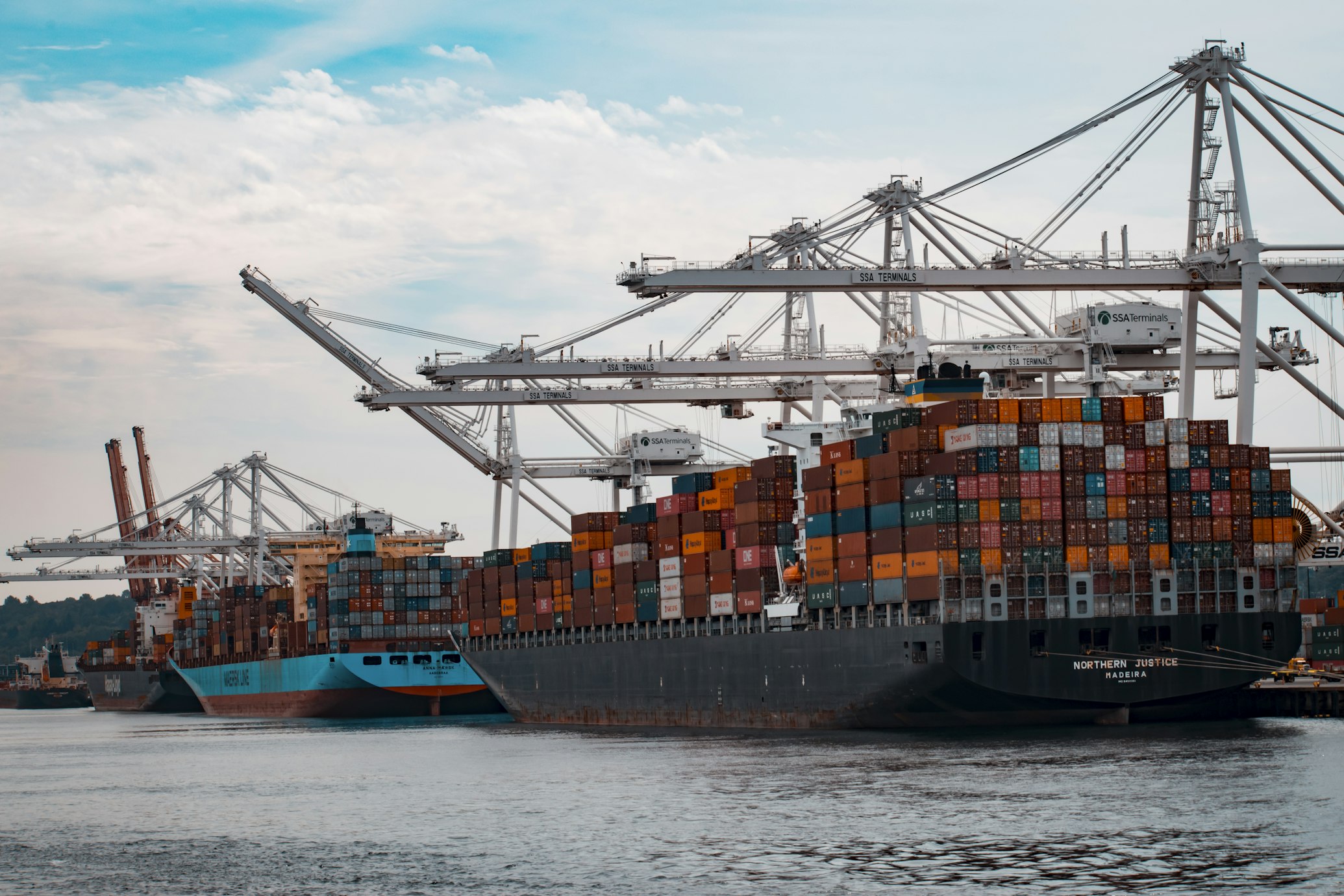
Explore projected sea freight rates for GCC countries in 2026. A comprehensive analysis of container costs from China and Europe, and the impact of smart ports and green shipping on trade in KSA and UAE.
The maritime shipping sector to the GCC countries in 2026 is undergoing radical transformations driven by massive infrastructure investments and global trends toward digital and environmental sustainability. As we approach this year, understanding the pricing structure has become vital for businesses and importers to ensure supply chain efficiency. Countries like Saudi Arabia and the UAE are investing billions of dollars to upgrade their ports into global logistics hubs, directly impacting the competitiveness of freight rates. In this report, we will provide a rigorous analysis of the factors shaping the sea freight market in the Gulf during 2026, focusing on projected container costs and associated logistical services.<br><br>First: Geopolitical and Economic Factors Influencing Rates. Sea freight rates cannot be separated from the geopolitical situation in the Middle East, particularly the security of waterways such as the Bab al-Mandab Strait and the Strait of Hormuz. In 2026, prices are expected to stabilize relatively with improved operational efficiency but will remain subject to fluctuations based on fuel prices (Bunker Adjustment Factor) and new environmental levies imposed by the International Maritime Organization (IMO). Free trade agreements and the integration of the Gulf Common Market also play a role in reducing intra-regional costs, making shipping within the region smoother and less expensive than in previous years.<br><br>Second: Infrastructure and Hub Ports. Ports such as Jebel Ali in Dubai, Jeddah Islamic Port, King Abdullah Port, and Hamad Port in Qatar serve as the fundamental pillars of trade movement. By 2026, expansion projects at these ports will have been completed, increasing capacity and reducing vessel turnaround times. This expansion will lead to lower Port Handling Charges as a result of full automation of container terminals. Forecasts indicate that the cost of shipping a 40-foot container from East Asia to the Gulf will range between $2,800 and $4,500, depending on the season and cargo type, while routes from Europe will stabilize at levels of $2,200 to $3,500.<br><br>Third: The Shift Toward Green Shipping and Alternative Fuels. By 2026, carbon taxes will begin to be applied more strictly. Vessels operating on Liquefied Natural Gas (LNG) or green methanol will receive privileges in Gulf ports that adopt carbon neutrality strategies, such as the Saudi Green Initiative. This shift may add a small price premium in the short term, often termed a 'sustainability tax,' but it will reduce operational costs in the long run through improved energy efficiency. Importers will find themselves with multiple options, as major shipping lines like Maersk and Hapag-Lloyd offer green corridors at preferential rates for companies committed to environmental standards.<br><br>Fourth: Digitalization and Smart Supply Chains. Technology will be the primary driver of freight pricing in 2026. The use of Blockchain for container tracking and digital platforms for space booking will make the pricing process more transparent. Importers will no longer rely solely on traditional freight forwarders; there will be instant platforms (Spot Rates) that allow for obtaining the lowest prices within seconds. This digitalization will eliminate many administrative and paperwork fees that previously added up to 5% of the total shipping cost. Additionally, Artificial Intelligence will assist in demand forecasting, reducing the container shortage issues that plagued the world in earlier years.<br><br>Fifth: Freight Cost Analysis (LCL vs FCL). In 2026, Full Container Load (FCL) will remain the cheapest option for large volumes, but Less than Container Load (LCL) services will see significant growth thanks to cross-border e-commerce. The cost per cubic meter (CBM) in fragmented shipping will be subject to a dynamic pricing system based on volumetric weight. It is expected that shipping a CBM from China to Saudi Arabia will cost around $120 to $180, including customs clearance in some integrated offers. This trend toward 'door-to-door shipping' will facilitate small and medium-sized enterprises entering the Gulf import-export market at competitive prices.<br><br>Sixth: Strategic Tips for Importers in 2026. To ensure the best sea freight rates, companies must plan ahead and book space 4-6 weeks before the shipping date. It is also advised to take advantage of 'bonded warehouses' and free zones provided by Gulf countries to store and re-export goods without paying immediate customs duties. Coordinating with freight forwarders who have strong networks in local ports will help avoid demurrage fees and penalties resulting from documentation delays. Finally, monitoring global freight indices such as the Drewry Index and the Shanghai Containerized Freight Index is essential for gaining a precise view of future price trends.